

Travel insurance is designed to protect travelers from unexpected financial losses arising from medical emergencies, trip cancellations, baggage loss, travel delays, and other unforeseen events. However, many policyholders are surprised when their travel insurance claims are rejected. Understanding the reasons behind claim rejections can help travelers avoid mistakes and improve their chances of receiving compensation when needed.
What Is a Travel Insurance Claim Rejection?
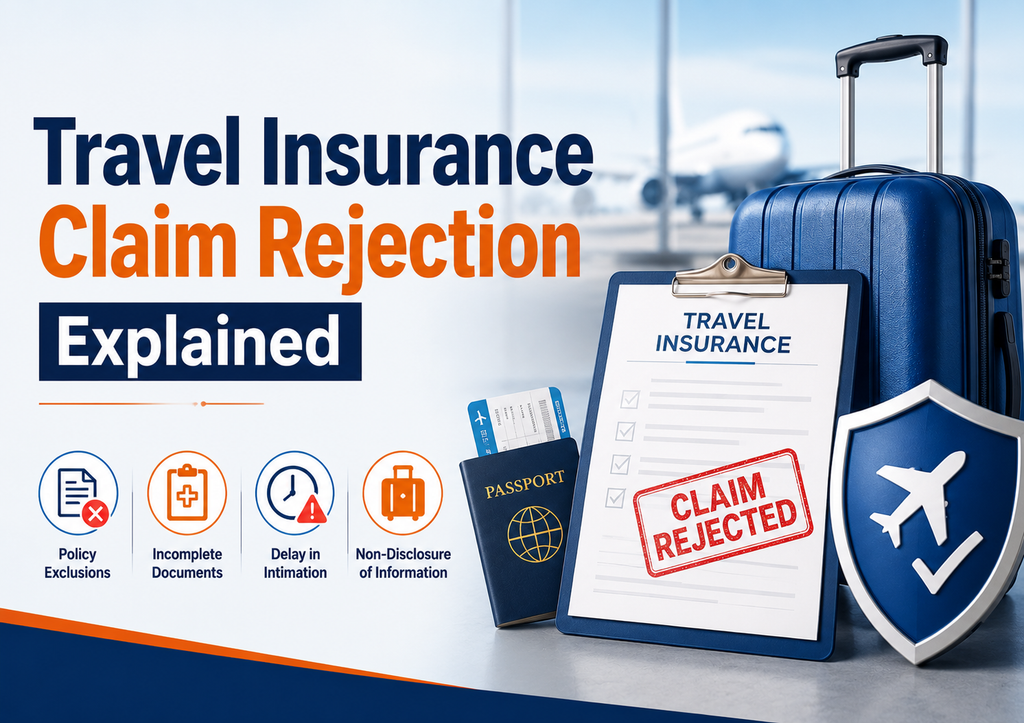
A travel insurance claim rejection occurs when an insurance company refuses to pay compensation for a claim submitted under a travel insurance policy. The insurer may deny the claim if it does not meet the policy’s terms, conditions, exclusions, or documentation requirements.
Claim rejection does not always mean the insurer is acting unfairly. In many cases, claims are denied because the incident falls outside the policy coverage or because essential information was not provided.
Common Reasons for Travel Insurance Claim Rejection
1. Pre-Existing Medical Conditions
Many travel insurance policies exclude coverage for medical conditions that existed before the policy was purchased unless specifically declared and covered. If a traveler experiences complications related to a pre-existing illness and fails to disclose it, the insurer may reject the claim.
2. Incomplete or Incorrect Documentation
Insurance companies require supporting documents to verify a claim. Missing medical reports, hospital bills, airline certificates, police reports, or receipts can result in claim denial. Providing incomplete information may delay the assessment process or lead to rejection.
3. Policy Exclusions
Every travel insurance policy contains exclusions. Claims related to activities or situations specifically excluded by the policy may not be payable. Examples can include participation in high-risk sports, alcohol-related incidents, or travel to restricted destinations.
4. Delay in Claim Notification
Most insurers require policyholders to report incidents within a specified timeframe. Delayed reporting can make it difficult to verify the event and may lead to claim rejection.
5. Non-Disclosure of Important Information
Providing inaccurate details during policy purchase or claim submission can affect eligibility. Insurers rely on truthful information to assess risk and determine coverage.
6. Traveling Against Official Advisories
If a traveler visits a location despite government travel warnings or restrictions, certain claims arising from that trip may not be covered under the policy terms.
7. Lack of Proof of Loss
Claims for lost baggage, theft, or personal belongings generally require evidence such as airline reports, baggage irregularity reports, police complaints, or purchase receipts. Without proof, insurers may refuse compensation.
8. Claims Outside the Policy Period
Travel insurance provides coverage only during the insured travel period. Incidents occurring before the policy starts or after it expires are generally not covered.
How to Reduce the Risk of Claim Rejection
Travelers can improve their chances of a successful claim by:
- Reading the policy wording carefully before travel.
- Understanding coverage limits and exclusions.
- Disclosing all relevant information honestly.
- Keeping copies of travel documents, bills, and receipts.
- Reporting incidents promptly to the insurer and relevant authorities.
- Maintaining complete records of medical treatment and expenses.
What to Do If Your Travel Insurance Claim Is Rejected
If your claim is denied, review the insurer’s rejection letter carefully. Check whether the reason aligns with the policy terms. Gather any additional evidence that may support your case and request a reconsideration if appropriate. If you believe the rejection is unfair, you may use the insurer’s grievance process and escalate the matter to the relevant insurance dispute resolution authority if necessary.
Conclusion
Travel insurance can provide valuable financial protection during a trip, but successful claims depend on complying with policy conditions and documentation requirements. Understanding the common reasons for travel insurance claim rejection helps travelers make informed decisions, avoid preventable mistakes, and improve the likelihood of receiving compensation when unexpected events occur. Careful planning, accurate disclosures, and timely reporting can make a significant difference when filing a travel insurance claim.

