Fire Insurance for Commercial Properties Explained
Commercial properties are exposed to various risks, and fire is one of the most serious among them. A fire can damage buildings, machinery, stock, furniture, electrical systems,…


Commercial properties are exposed to various risks, and fire is one of the most serious among them. A fire can damage buildings, machinery, stock, furniture, electrical systems,…
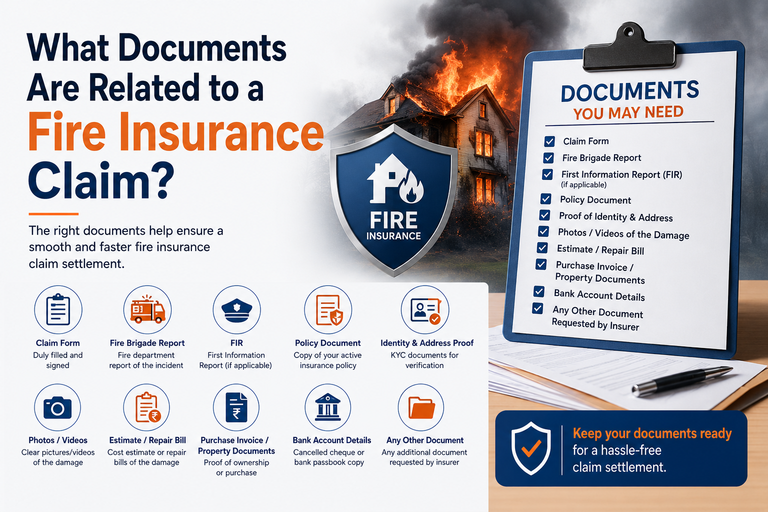
Fire can cause significant damage to homes, commercial properties, factories, warehouses, and other insured assets. When a fire-related loss occurs, policyholders typically need to provide various documents…
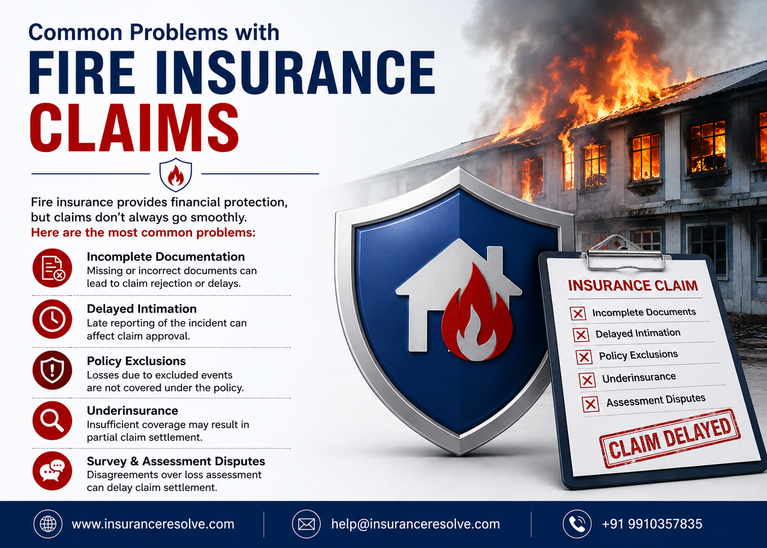
A fire insurance claim is made when insured property, stock, equipment, or other assets are damaged or destroyed by a covered fire-related event. Although fire insurance can…
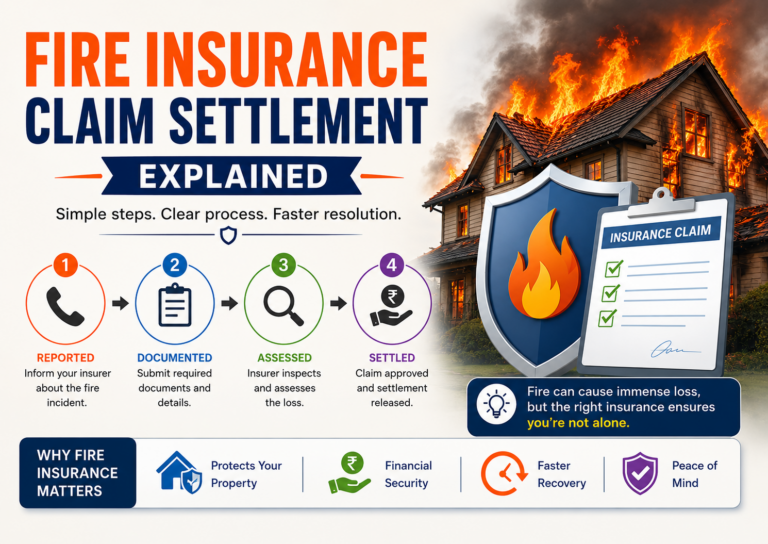
A fire insurance claim settlement refers to the process through which an insurer assesses a covered fire-related loss and determines the amount payable under the terms of…
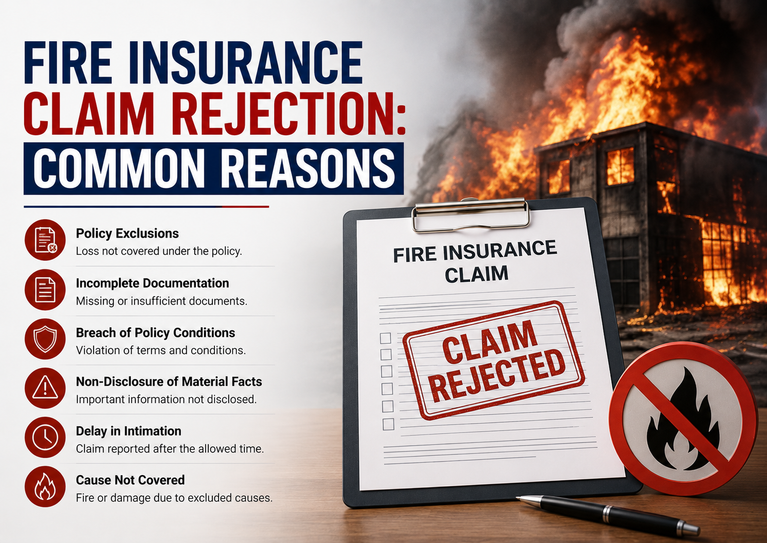
Fire insurance provides financial protection against covered losses caused by fire and other insured events. However, having a fire insurance policy does not mean every fire-related loss…
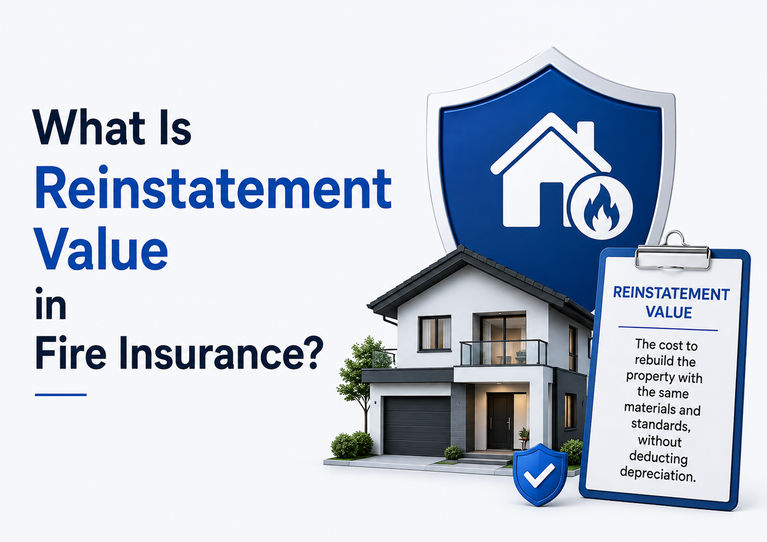
Reinstatement Value in fire insurance refers to the cost of replacing or rebuilding damaged property with new property of a similar kind, quality, and capacity, subject to…

Market value in fire insurance refers to the estimated value of an insured property based on its prevailing value in the market. It can be an important…

Fire insurance is designed to protect property owners from the financial impact of fire-related damage. However, having a fire insurance policy does not automatically guarantee full compensation…
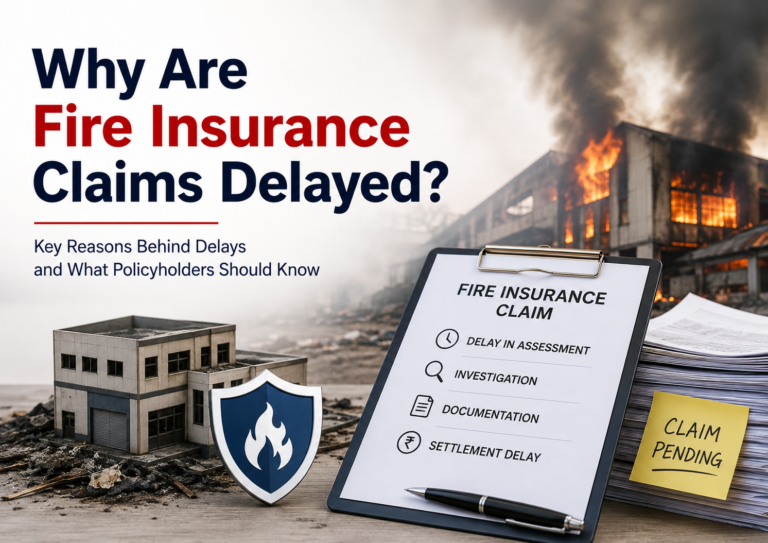
A fire can cause significant damage to property, stock, equipment, and other insured assets. While fire insurance is designed to provide financial protection, fire insurance claims can…
Fire insurance provides financial protection against certain types of loss or damage to property. However, a fire insurance policy does not cover every possible event or circumstance.…