

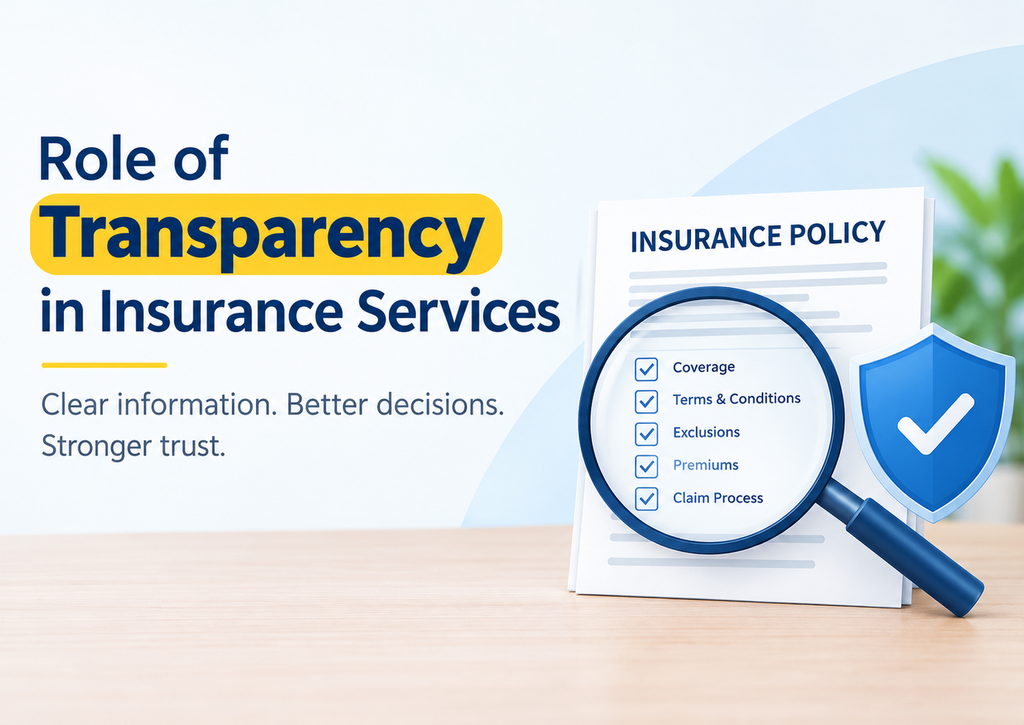
Transparency plays an important role in building trust between insurance companies, intermediaries, service providers, and policyholders. Insurance policies often contain detailed terms, exclusions, conditions, premium requirements, and claim procedures that may be difficult for customers to understand. Clear and honest communication helps policyholders make informed decisions and understand what their insurance coverage actually provides.
When insurance information is communicated transparently, customers are better prepared to understand their rights, responsibilities, and available options. On the other hand, unclear explanations, incomplete disclosures, and misleading promises can create confusion and lead to disputes.
Understanding Insurance Terms and Conditions
Insurance policies are legal contracts that define the scope of coverage and the circumstances under which benefits may be payable. Policyholders need clear information about coverage limits, exclusions, waiting periods, deductibles, and other important conditions.
When these details are explained in simple language, customers can better understand what is covered and what is not. This reduces the likelihood of misunderstandings when they submit a claim.
Transparency also means making important policy information accessible rather than allowing customers to discover significant restrictions only when a problem arises.
Honest Communication During Policy Selection
Choosing an insurance policy involves evaluating individual needs, financial circumstances, risks, and coverage requirements. Customers depend on accurate information when comparing policy options.
If the benefits, limitations, or costs of a policy are not properly explained, a customer may purchase coverage that does not meet their expectations. Misleading statements about guaranteed returns, claim approval, or policy benefits can further increase the risk of dissatisfaction.
Transparent communication allows customers to understand the actual features of a policy before making a commitment. It also helps reduce the risk of insurance mis-selling caused by false assurances or incomplete explanations.
Transparency in Premiums and Charges
Policyholders should receive clear information about premiums, applicable taxes, fees, payment schedules, renewal conditions, and other relevant charges.
Unexpected costs can affect a customer’s financial planning and create disagreements with the insurer or service provider. Clear explanations of premium changes, payment obligations, and policy renewal requirements help customers make better financial decisions.
Where a policy includes investment-related features or surrender provisions, the associated risks, charges, and conditions should also be explained appropriately.
Clear and Fair Claim Communication
The claim settlement process is one of the most important areas where transparency matters. After an accident, illness, property loss, or another insured event, policyholders need timely and understandable information about their claim.
Insurance companies should communicate the documents required, the status of the assessment, any outstanding information, and the reasons for decisions affecting the claim.
When a claim is rejected or only partially settled, the policyholder should be able to understand the reasons and the relevant policy provisions. A clear explanation can help resolve misunderstandings and allow the customer to determine whether further clarification or a grievance process is appropriate.
A lack of communication, repeated requests without clear explanations, or unexplained delays can undermine confidence in the insurance process.
Transparency in Policy Servicing
Insurance services continue after a policy has been issued. Customers may need help with updating personal details, correcting policy records, changing nominees where permitted, renewing coverage, or understanding policy benefits.
Clear communication about required documents, processing timelines, and the status of service requests helps customers understand what is happening with their policies.
Transparent servicing also includes acknowledging customer complaints, providing reference numbers where applicable, and explaining the next steps when a request cannot be completed immediately.
The Importance of Transparency in Insurance Complaints
When a disagreement arises, transparent communication helps both parties identify the actual issue. Customers need to know why a concern has been raised, which documents are relevant, and what options may be available for further review.
Written explanations and properly maintained records can help reduce confusion and support a more structured grievance process. Policyholders should retain relevant policy documents, claim correspondence, receipts, and complaint acknowledgements.
If an insurer’s response is unclear or a complaint remains unresolved, the customer may seek clarification or explore the applicable grievance redressal channels.
How Transparency Builds Customer Trust
Trust is essential in insurance because customers pay premiums today in anticipation of financial protection against future risks. They need confidence that the terms of coverage are communicated honestly and that their concerns will be handled fairly.
Transparent services can help customers understand their coverage, manage expectations, and make informed decisions. They can also support stronger customer relationships by reducing avoidable disputes and encouraging accountability.
Transparency does not mean that every claim must be approved or that every customer request can be fulfilled. It means communicating decisions clearly, applying the relevant terms fairly, and providing accurate information throughout the insurance relationship.
How Insurance Resolve Supports Policyholders
Insurance-related problems can arise when policy terms are misunderstood, benefits are not explained clearly, claims are delayed, or insurers provide decisions that customers find difficult to understand.
Insurance Resolve helps policyholders address insurance-related problems, including claim rejection, claim delays, short-settled claims, policy mis-selling, lapsed policies, and unresolved service issues.
The process involves reviewing the available documents, understanding the customer’s concern, and helping identify possible avenues for resolution based on the circumstances of the case.
Insurance Resolve does not sell insurance products and does not guarantee a particular claim outcome. Each matter depends on the available evidence, applicable policy terms, and relevant rules.
Conclusion
Transparency is fundamental to responsible insurance services. Clear policy information, honest explanations of costs and exclusions, understandable claim decisions, and effective communication during policy servicing help protect customer interests and strengthen trust.
When policyholders understand their coverage and the reasons behind insurance decisions, they are better equipped to make informed choices and address concerns appropriately.
Need assistance with an insurance-related problem?
- Website: https://insuranceresolve.com/
- Email: help@insuranceresolve.com
- Phone: +91 9910352249
Insurance Resolve — We Resolve. You Relax.

