
Understanding the scope of coverage helps you determine whether the policy addresses your actual protection needs. It is equally important to understand what is not covered.
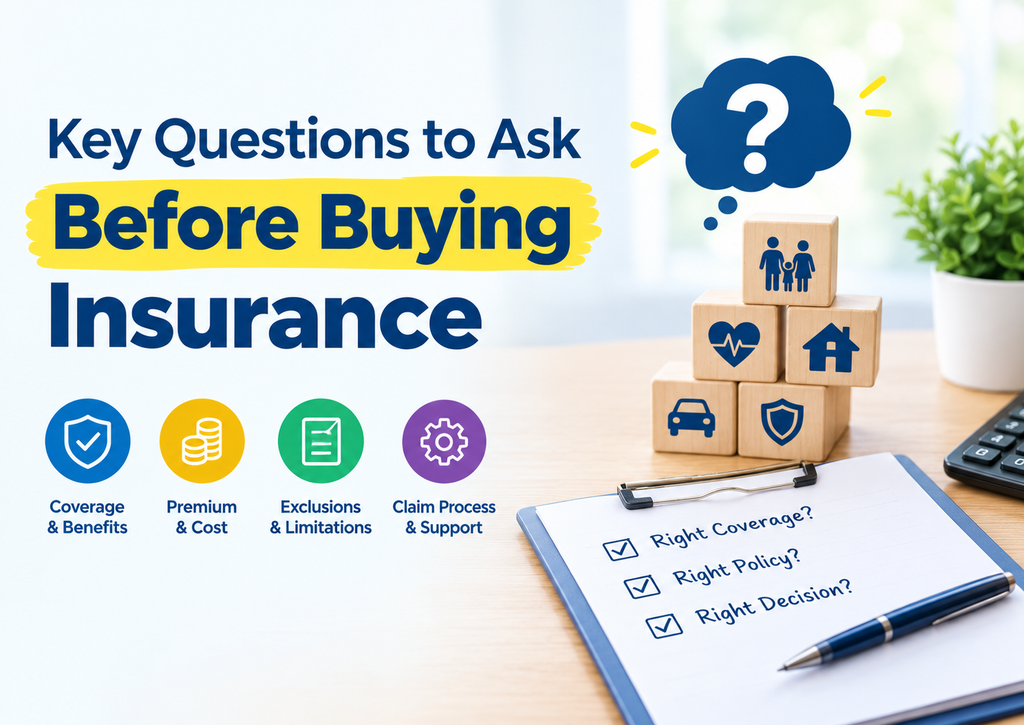
How Much Coverage Do I Actually Need?
The appropriate amount of insurance depends on your financial responsibilities, assets, family circumstances, and exposure to risk.
For example, a person with dependants and outstanding loans may need to evaluate life insurance differently from someone with fewer financial commitments. Similarly, a family choosing health insurance should consider potential medical expenses, the number of people covered, and the limitations of the policy.
For property or motor insurance, the value of the insured asset and the basis of claim settlement may be important considerations.
Choosing insufficient coverage may leave you financially exposed, while selecting coverage without understanding its benefits may result in unnecessary expense.
What Will the Premium Cost Me?
Premium affordability is an important part of insurance planning. Before purchasing a policy, understand the premium amount, payment frequency, applicable taxes, and whether the premium may change over time.
Some policies require regular payments to maintain coverage, while others may have different payment structures. The consequences of missed or delayed payments can also vary.
However, the cheapest policy is not automatically the best option. A lower premium may come with restricted coverage, higher deductibles, or fewer benefits.
The objective should be to find a suitable balance between affordability and meaningful protection.
What Are the Exclusions and Limitations?
Insurance exclusions describe circumstances, losses, or expenses that are not covered under the policy. Other restrictions may limit the amount payable or impose conditions on specific benefits.
For example, a health insurance policy may include waiting periods, co-payments, room-rent limits, or exclusions for particular treatments. A motor insurance policy may specify conditions relating to vehicle use, deductibles, and covered damage.
These details can significantly affect the outcome of a claim.
Before purchasing insurance, review the policy wording and Customer Information Sheet, where applicable, so you understand the limitations rather than relying only on promotional information.
What Documents and Information Must I Provide?
Insurance companies may request information about your age, health, income, occupation, vehicle, property, or other relevant circumstances, depending on the type of policy.
Ask which details and documents are required and why they matter. Providing accurate and complete information is important because incorrect or incomplete disclosures can lead to disputes during underwriting or claim assessment.
You should also review the proposal form before submitting it and ensure that the information recorded reflects your actual answers.
If an agent or intermediary completes the form on your behalf, carefully verify the details before confirming the application.
What Benefits Will I Receive Under This Policy?
Insurance benefits can differ considerably between policies, even when they have similar names.
Before purchasing, clarify the benefits included in the policy and whether any additional features require separate premiums. For life insurance, understand the death benefit, maturity benefits if applicable, and any savings or investment-related features.
For health insurance, review hospitalisation coverage, cashless treatment arrangements, applicable limits, and other benefits. For motor or property insurance, understand the scope of protection and how covered losses are assessed.
Do not assume that every benefit mentioned verbally is guaranteed. Confirm important promises against the official policy documents.
How Does the Claim Process Work?
A policy’s value becomes particularly important when you need to make a claim. Understanding the claim process beforehand can help you know what to expect.
Ask how a claim should be reported, which documents are required, what deadlines or notification requirements apply, and how the insurer assesses the claim.
You should also understand the circumstances in which a claim may be reduced or rejected under the policy terms.
Although no insurer can guarantee the acceptance of every claim regardless of circumstances, clear information about the process and requirements can help you make a more informed purchasing decision.
What Happens If My Claim Is Rejected or Partially Settled?
It is important to understand the options available if a claim is rejected, delayed, or settled for less than expected.
Ask how the insurer communicates claim decisions, how you can request an explanation, and which grievance redressal channels are available.
Keep copies of the policy document, premium receipts, proposal form, and relevant communications. These records may be useful if a disagreement arises later.
A claim decision should be assessed against the actual policy terms, supporting evidence, and applicable rules rather than assumptions about what the policy should cover.
Can I Cancel the Policy or Receive a Refund?
Before buying insurance, understand the cancellation provisions and any applicable refund conditions.
Some policies may provide a free-look period or other cancellation rights, subject to eligibility and the applicable rules. Refunds may depend on the type of policy, the period of coverage, the reason for cancellation, and relevant deductions or conditions.
Ask about the procedure, applicable time limits, and any financial consequences before making a decision.
If you are replacing an existing policy, carefully consider the consequences of cancellation, including the possible loss of benefits, new waiting periods, or different eligibility requirements under the replacement policy.
Is the Policy Suitable for My Long-Term Needs?
Insurance requirements can change with age, family responsibilities, financial commitments, and business circumstances.
A policy that meets your needs today may require review in the future. Before buying, consider the duration of coverage, renewal conditions, affordability over time, and whether the benefits remain appropriate as your circumstances change.
For long-term policies, make sure you understand the commitments involved and any conditions that could affect continued coverage.
Am I Buying the Policy Based on Clear and Accurate Information?
One of the most important questions is whether you fully understand the policy or are relying primarily on verbal assurances.
Misleading sales statements, incomplete explanations, or promises that are not reflected in the policy documents can create serious problems later.
Take time to review the product information, compare suitable alternatives, and ask for clarification whenever something is unclear. Avoid making a purchase simply because you feel pressured to decide immediately.
A well-informed decision can help reduce the risk of insurance mis-selling and unrealistic expectations about benefits or returns.
Conclusion
Buying insurance should involve careful consideration of your protection needs, affordability, policy terms, exclusions, and claim conditions. Asking the right questions before purchasing can help you understand the coverage and make a decision that better suits your circumstances.
Never judge a policy solely by its premium or promotional promises. Understanding the actual contract is essential to knowing what protection you are receiving.
If you are experiencing insurance-related problems such as policy mis-selling, claim rejection, delayed claims, short settlement, lapsed policies, or other insurance service issues, Insurance Resolve can help you understand your concern and explore appropriate resolution options.
Insurance Resolve – We Resolve. You Relax.
Contact Insurance Resolve
- Website: https://insuranceresolve.com/
- Email: help@insuranceresolve.com
- WhatsApp / Contact No.: +91 9910352249

